General Information

Mental illness is nothing to be ashamed of, but stigma and bias shame us all

— Bill clinton

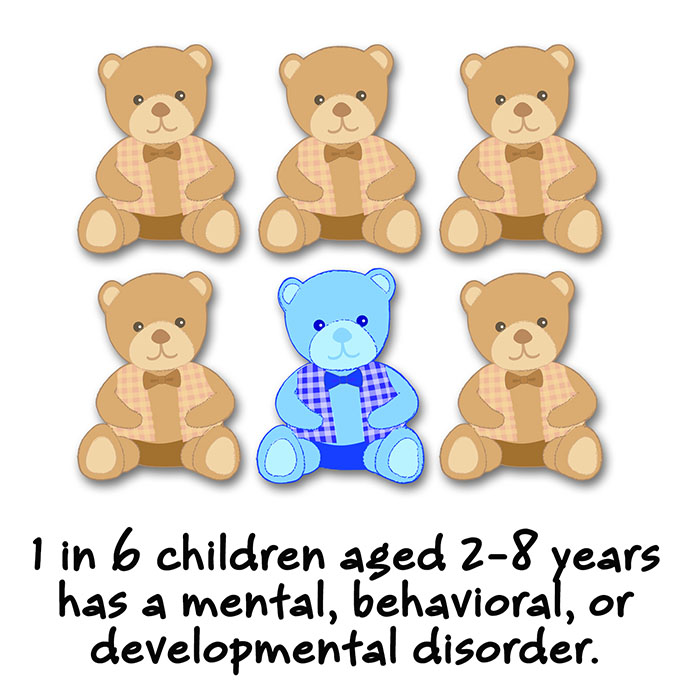
It is estimated that about 15 million children in the United States of America can be diagnosed with a mental health illness. There are many possible causal factors for mental disorders in children including genetics, environment, or adverse childhood experiences. The are many challenges that come along with mental illness such as stigma, rejection, misunderstanding, and even the experience of having a mental illness (Ahmann, 2013). In this post I’ll be providing some general information about child development and mental disorders in children ages 2-12 years old.

Children can be diagnosed with a variety of mental disorders including anxiety, depression, attention-deficit hyperactivity disorder (ADHD), autism spectrum disorder (ASD), and mood disorders. These disorders and illnesses can affect children’s developmental milestones and later health outcomes. Some health behaviors that these children display may play a part in the progression of these mental disorders later on in life. Low physical activity, trouble sleeping, and poor eating behaviors can worsen health and well-being. Parents also play a role in mediating these health habits (Bowling et al., 2019).

Other factors such as no medical insurance, living in a poor neighborhood, or lacking knowledge and resources in general can affect the health of children with mental illnesses. Early intervention is associated with better well-being in adulthood. Communities can help by creating more services to support the families and children to help identify and treat earlier. Reducing stress can improve physical functioning in the body of both the children and the family (Bitsko et al, 2016).

Below are some tips that families and communities can use to enhance health in children with mental illnesses and disorders:

  • Learn about the different pubic assistance programs that can provide services
  • Therapy is useful for both the family and the child
  • Assessing risk factors early for better health outcomes later
  • Online resources can provide useful information
  • Look at all treatment options to see which will be the most effective
  • Make sure the caregivers understand the mental illness
  • Reduce stress by learning about mental illness
  • Talk to other people for support

Introduce Yourself

This blog was created for a class project in which I explore an area of child development. I choose the topic of providing information and resources for children who have a mental illness.

My name is Stephanie Alvarado and I plan on discussing an area of child development that isn’t talked about as much because of the stigmatization around it. In this blog I will provide informational posts that will talk about resources and information regarding the importance of understanding children with mental illness.

Interventions for Children with Mental Illness

ADHD & Conduct Disorder

  • For ADHD and conduct disorder, treatment focuses on parent training. This training teacher parents how to cope with their child. Support from parents can help children regulate their behaviors.

Autism Spectrum Disorder

  • Behavioral therapy can improve the child’s cognitive, social, and language skills. This intervention requires at least 25 hours a week to help children with their behaviors.

Depression

  • Cognitive Behavioral Therapy (CBT) helps change the way people think. Thinking patterns can cause unhealthy behaviors that can worsen health. Research is still looking at how effective CBT is for children and adolscents.

Other Methods:

  • Direct-targeting approach – focuses on academic deficits
  • Broader Academic Interventions – programs that support children as well as parents such as ParentCorps
  • Prevention rather than treatment
  • Head Start programs – provides children with mental health problems with resources

(Cuellar, 2015)

Statistics

Mental Disorders in U.S. Children Data

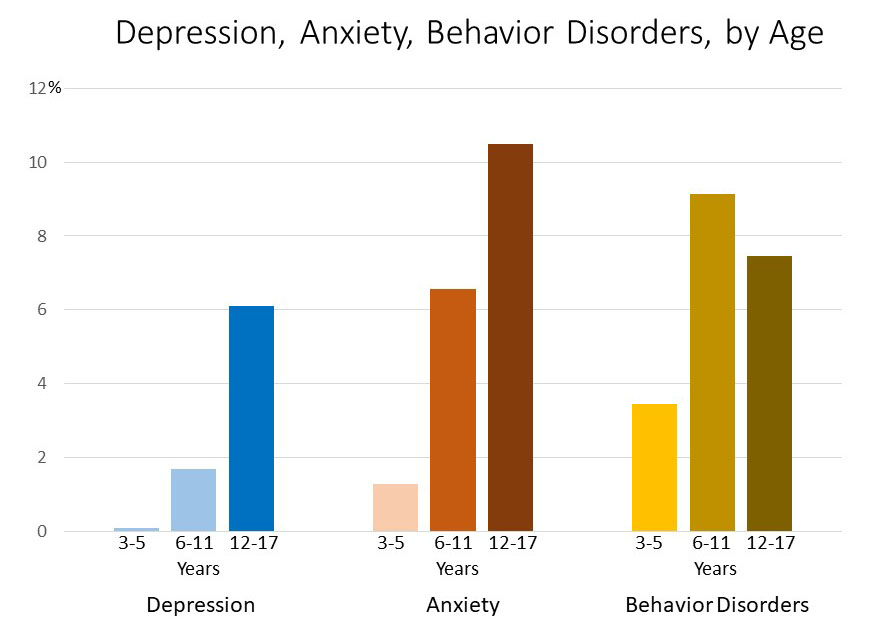
  • 9.4% of children aged 2-17 years (approximately 6.1 million) have received an ADHD diagnosis.2 
  • 7.4% of children aged 3-17 years (approximately 4.5 million) have a diagnosed behavior problem.3
  • 7.1% of children aged 3-17 years (approximately 4.4 million) have diagnosed anxiety.3
  • 3.2% of children aged 3-17 years (approximately 1.9 million) have diagnosed depression. 3
CDC Statistics: https://www.cdc.gov/childrensmentalhealth/data.html

Tips

Dealing with Mental Illness in Children

You are more than your illness

Unknown
  • Seek help if you are unsure or if your child is in danger
  • Talk to your child’s teacher about their behavior
  • Look at different treatment options that are available
  • Find a mental health professional that is right for you child
  • Online resources are helpful for finding information

Online Resources

This is a list of online websites that provide support to anyone who has a child that is diagnosed with a mental illness.

National Suicide Prevention Lifeline

1-800-273-8255